

When a tooth goes missing, the jawbone beneath it slowly starts to shrink. Without stimulation from chewing, the bone becomes weaker, thinner, and less able to support future dental work. That’s why dental implants are such a game-changer — they act like natural roots and keep the bone strong.
But here’s the big question: do you always need a bone graft before getting an implant?
Short answer: Nope. Not everyone does.
Let’s break it down.
What Exactly Is a Bone Graft?
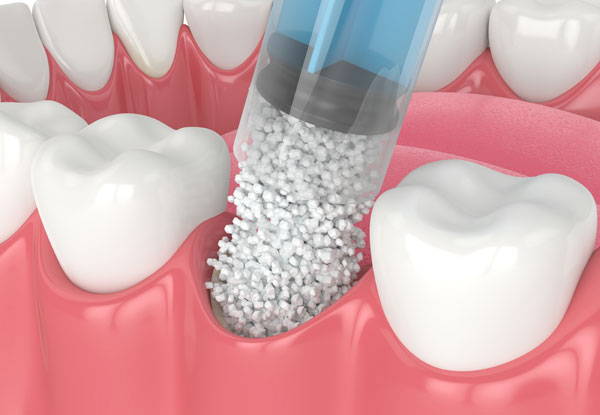
- Your own bone
- A biocompatible substitute material
Over time, your body naturally integrates this material, creating a stronger, more stable foundation for the implant.
Is Bone Grafting Required for Every Implant?
Not at all. Many patients already have enough healthy bone to move straight to implants without any extra steps.
Your surgeon will evaluate:
- Bone height
- Bone width
- Bone density
- Overall jaw structure
CT scans make this pretty straightforward.
Bone grafting becomes necessary only when the jawbone isn’t strong enough on its own.
Common Reasons a Bone Graft Is Recommended
Bone grafts are used to ensure long-term implant success and stability. Your surgeon may recommend one if:
1. Gum Disease Has Damaged the Bone
Periodontal disease can eat away at the jawbone, making grafting essential to rebuild what’s been lost.
2. Trauma or a Complicated Extraction Caused Bone Loss
Accidents, falls, or even difficult tooth removals can compromise the bone around the implant site.
3. Systemic Conditions Affect Bone Health
Certain medical issues can weaken bone density and make grafting necessary for long-term implant success.
4. Significant Bone Loss Has Already Occurred
If the bone has thinned or resorbed too much, the implant won’t be able to fuse properly without reinforcement.
5. The Implant Is Going in the Back of the Jaw
Bone grafting is more common in the posterior areas, where bone is naturally softer and thinner.
6. Tooth Loss Has Gone Untreated for a Long Time
When a tooth is missing, the bone shrinks over time. The longer the gap, the more likely grafting will be needed.
7. Trauma to the Jaw
Injuries from sports, accidents, or facial impact can damage or weaken the jawbone, requiring grafting before implant placement.
8. Severe Gum Disease That Hasn’t Healed
Advanced periodontal disease can cause bone deterioration beneath the gums. Grafting helps restore what was lost.
The Bottom Line
Bone grafting isn’t a “must” for every dental implant — it’s simply a tool that allows your surgeon to rebuild the strong foundation needed for long-lasting results. Many patients qualify for implants without any grafting at all.
At CT Maxillofacial Surgeons, we evaluate each case with advanced imaging and tailor the plan to your anatomy — no unnecessary procedures, no surprises.
If you’re considering dental implants or wondering whether you need a bone graft, our team can guide you with clarity and confidence.
Call CT Maxillofacial Surgeons to schedule an expert consultation and take the next step toward a stronger, healthier smile.