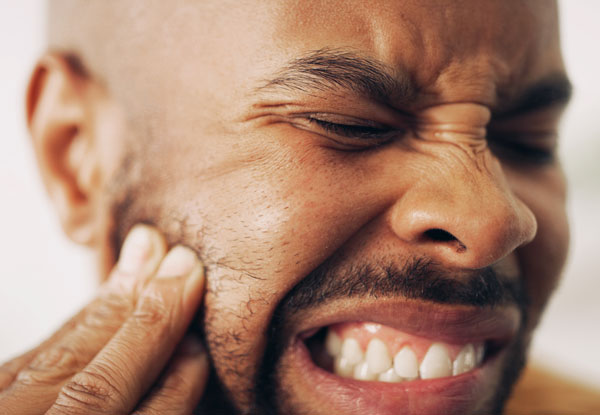
Why Do We Even Have Wisdom Teeth?

Surgical Procedures

Why Do We Even Have Wisdom Teeth?

December 11th, 2025 by Ima Admin

If your teen is suddenly complaining about soreness in the back of their mouth, or their dentist starts bringing up “those third molars,” you’re probably wondering:
If wisdom teeth cause so many problems… why do we even have them?

Fair question — and the answer goes way back.

A Throwback From Our Caveman Days
Wisdom teeth are basically nature’s leftovers. Our ancestors ate tough, raw foods that required major chewing power. Their jaws were bigger, broader, and built to handle it, so having an extra set of molars was an advantage.

Fast-forward to today:

  • Our diets are softer
  • Our jaws are smaller
  • And these third molars often have nowhere to go

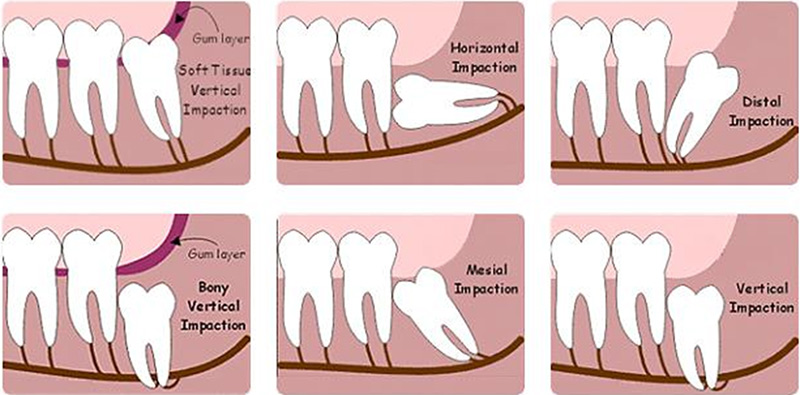
That’s why so many teens and young adults experience issues like crowding, pain, infections, or impacted wisdom teeth that never fully break through the gums.

Why Monitoring Wisdom Teeth Matters

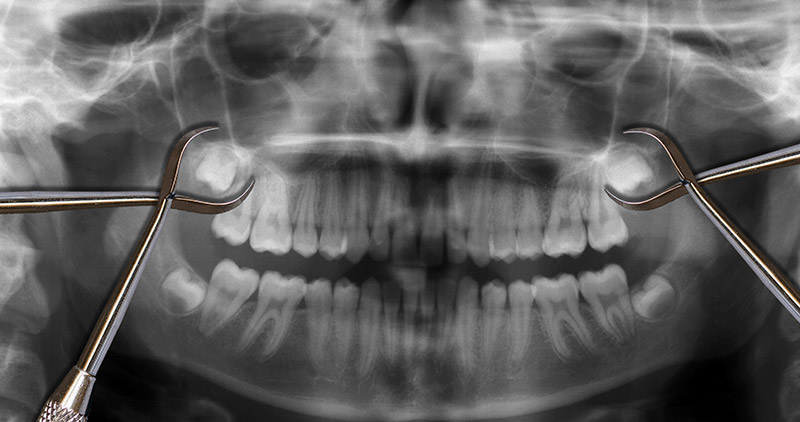
Most wisdom teeth start making their appearance between ages 15–25. Regular checkups — especially digital X-rays — help us track how these molars are forming, the direction they’re growing, and whether they’ll cause trouble.

Your teen’s dentist may recommend removing them if they’re:

  • Growing sideways
  • Stuck under the gum or bone
  • Crowding other teeth
  • Causing pain, swelling, or infection
  • At risk of damaging nearby teeth

And that’s where we come in.

Expert, Comfortable Wisdom Tooth Removal at CT Maxillofacial Surgeons

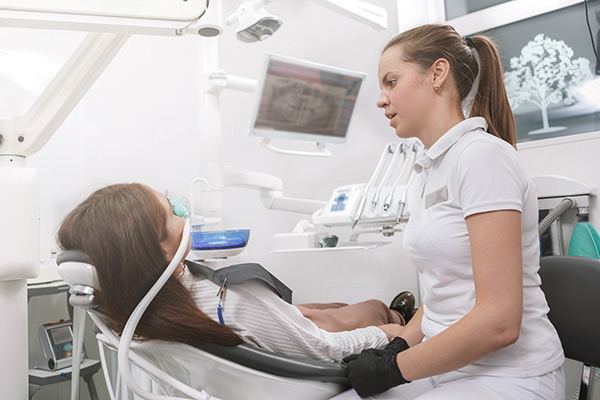
When it’s time to talk wisdom teeth, your family wants a team that treats your teen like one of their own. Our surgeons specialize in safe, efficient wisdom tooth removal — with options like IV sedation to keep the experience calm, smooth, and stress-free.

We walk both patients and parents through the process step-by-step, so you always know what’s happening and what to expect during recovery.

Let’s Keep Your Teen’s Smile Healthy

If your dentist has recommended wisdom tooth evaluation or removal, we’re ready when you are.
CT Maxillofacial Surgeons is here to make the process simple, safe, and comfortable — start to finish.

Call us today to schedule a consultation


Is Bone Grafting Always Necessary for Dental Implants?

December 11th, 2025 by Ima Admin

When a tooth goes missing, the jawbone beneath it slowly starts to shrink. Without stimulation from chewing, the bone becomes weaker, thinner, and less able to support future dental work. That’s why dental implants are such a game-changer — they act like natural roots and keep the bone strong.

But here’s the big question: do you always need a bone graft before getting an implant?
Short answer: Nope. Not everyone does.
Let’s break it down.

What Exactly Is a Bone Graft?

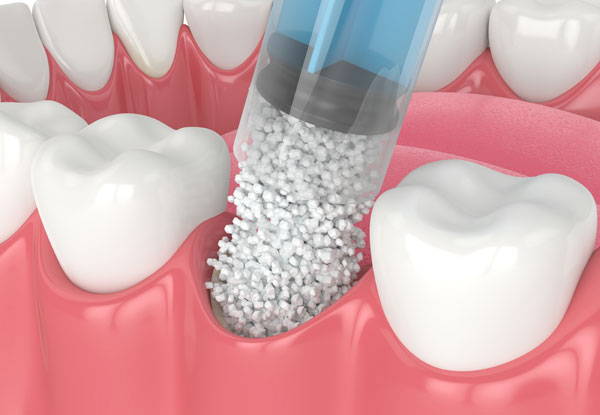
socket graft illustration
A dental bone graft rebuilds or strengthens the jawbone so it can securely hold an implant. Surgeons typically use:

  • Your own bone
  • A biocompatible substitute material

Over time, your body naturally integrates this material, creating a stronger, more stable foundation for the implant.

Is Bone Grafting Required for Every Implant?

Not at all. Many patients already have enough healthy bone to move straight to implants without any extra steps.

Your surgeon will evaluate:

  • Bone height
  • Bone width
  • Bone density
  • Overall jaw structure

CT scans make this pretty straightforward.

Bone grafting becomes necessary only when the jawbone isn’t strong enough on its own.

Common Reasons a Bone Graft Is Recommended

Bone grafts are used to ensure long-term implant success and stability. Your surgeon may recommend one if:

1. Gum Disease Has Damaged the Bone

Periodontal disease can eat away at the jawbone, making grafting essential to rebuild what’s been lost.

2. Trauma or a Complicated Extraction Caused Bone Loss

Accidents, falls, or even difficult tooth removals can compromise the bone around the implant site.

3. Systemic Conditions Affect Bone Health

Certain medical issues can weaken bone density and make grafting necessary for long-term implant success.

4. Significant Bone Loss Has Already Occurred

If the bone has thinned or resorbed too much, the implant won’t be able to fuse properly without reinforcement.

5. The Implant Is Going in the Back of the Jaw

Bone grafting is more common in the posterior areas, where bone is naturally softer and thinner.

6. Tooth Loss Has Gone Untreated for a Long Time

When a tooth is missing, the bone shrinks over time. The longer the gap, the more likely grafting will be needed.

7. Trauma to the Jaw

Injuries from sports, accidents, or facial impact can damage or weaken the jawbone, requiring grafting before implant placement.

8. Severe Gum Disease That Hasn’t Healed

Advanced periodontal disease can cause bone deterioration beneath the gums. Grafting helps restore what was lost.

The Bottom Line

Bone grafting isn’t a “must” for every dental implant — it’s simply a tool that allows your surgeon to rebuild the strong foundation needed for long-lasting results. Many patients qualify for implants without any grafting at all.

At CT Maxillofacial Surgeons, we evaluate each case with advanced imaging and tailor the plan to your anatomy — no unnecessary procedures, no surprises.

If you’re considering dental implants or wondering whether you need a bone graft, our team can guide you with clarity and confidence.
Call CT Maxillofacial Surgeons to schedule an expert consultation and take the next step toward a stronger, healthier smile.


Signs You Need to See an Oral Surgeon After Facial Trauma

December 11th, 2025 by Ima Admin

Facial injuries can be sneaky — sometimes the inside takes a bigger hit than what you see on the surface. Sure, you might notice pain, bleeding, or difficulty breathing, but internal damage often needs immediate attention from a specialist who knows the anatomy inside and out.

So how do you know it’s time to call an oral surgeon ASAP? Keep an eye on these warning signs.


1. A Tooth Is Injured or Out of Place

man with rear jaw pain

If a tooth looks “off,” assume there’s deeper structural damage. Trauma can affect not only the tooth itself but also the bone that supports it. An oral surgeon should evaluate injuries like:

  • Cracked teeth
  • Teeth that are loose, displaced, or completely knocked out
  • Chipped or fractured enamel

This isn’t a “wait and see” moment — the sooner it’s assessed, the better the chance of saving the tooth and protecting surrounding structures.


2. Soft Tissue Damage

Your lips, gums, cheeks, and facial skin are incredibly delicate. A fall or impact can easily tear or crush these tissues. Look for:

  • Deep cuts or lacerations
  • Torn gums
  • Significant cuts around the lips or inside the mouth

Oral surgeons are uniquely trained to repair these areas with precision while minimizing scarring and protecting vital nerves and vessels.

3. Severe or Worsening Swelling

Some swelling is normal after trauma — but swelling that rapidly increases or interferes with daily function is a red flag. You may notice trouble:

  • Seeing
  • Eating or chewing
  • Breathing
  • Speaking

Progressive swelling can indicate a fracture or internal bleeding, and it should be evaluated right away.

4. Intense Pain or Suspected Facial Fracture

Not every fracture is obvious, but if your face hurts even with the lightest touch, you may be dealing with

  • A cheekbone (zygomatic) fracture
  • An eye socket (orbital) fracture
  • A jaw (mandibular) fracture

Signs can include visible asymmetry, changes in your bite, or difficulty moving the jaw. Delaying treatment can lead to long-term issues with appearance, function, or nerve sensitivity.

5. Bleeding Gums After Trauma

Gums shouldn’t bleed heavily after an impact. Persistent or significant bleeding may mean:

  • Damage to periodontal tissues
  • Injury to tooth roots
  • Trauma to the supporting bone

An oral surgeon can determine the extent of the injury and prevent avoidable complications.

The Bottom Line

Facial trauma isn’t something to tough out or ignore. Prompt treatment from an oral surgeon protects your long-term function, comfort, and appearance. Whether you need tooth stabilization, fracture repair, or reconstructive care, CT Maxillofacial Surgeons has the expertise to get you back to normal safely and quickly.

If you’ve experienced facial trauma, don’t wait.
Call CT Maxillofacial Surgeons today to get the expert care you need


Wisdom Teeth Removal at CTMAX: What Teens (and Parents) Should Know

September 19th, 2025 by Ima Admin

Wisdom teeth removal is a milestone many families face — whether you’re a teen getting ready for your first surgery or a parent making sure your child gets the best care. At Connecticut Maxillofacial Surgeons (CTMAX), we’ve guided thousands of patients (and parents) through this process with comfort, safety, and peace of mind.

What Are Wisdom Teeth, Anyway?

Wisdom teeth removalWisdom teeth are the last molars to develop, usually between ages 17–25. While some people have no issues, most of us simply don’t have the space for them. That’s when problems like crowding, pain, or infection can occur.
For parents: removing wisdom teeth early often means easier surgery, faster recovery, and fewer complications.


Why They May Need to Come Out

Wisdom teeth can cause trouble when they:

  • Stay trapped under the gums (impacted)
  • Push other teeth out of alignment
  • Create pain or swelling in the jaw
  • Lead to infections around partially erupted teeth

Dentists and orthodontists often recommend removal before these problems start — especially during the teen years.

The CTMAX Experience: Step by Step

We know this can feel like a big deal — especially if it’s a first surgery. Here’s how we make it easier:

  • Consultation – We take advanced 3D scans, explain what’s happening with your wisdom teeth, and review anesthesia options. Both parents and patients are encouraged to ask questions.
  • Day of Surgery – With IV sedation or general anesthesia, the patient is completely comfortable. Most extractions take less than an hour. Parents can relax knowing our surgeons are board-certified and trained in hospital-level anesthesia safety.
  • Recovery – You’ll go home the same day. Parents get clear instructions and a direct line to us if questions come up. Most teens are back to normal activities in just a few days.

Recovery Tips That Really Help

  • Ice packs for swelling in the first 24 hours
  • Soft foods like smoothies, yogurt, and pasta
  • No straws, smoking, or heavy exercise for a few days
  • Rest (yes, even for teens who think they’re invincible!)

Why Families Choose CTMAX

wisdom teeth xray

  • Expertise – Our surgeons perform wisdom tooth extractions every day.
  • Safety – We follow hospital-grade protocols and hold privileges at leading medical centers
  • Comfort – Sedation options are tailored for each patient.
  • Compassion – We treat every patient like family — because for parents, handing over your child’s care is never “routine

Full Sedation at CTMAX: Comfort, Safety, and Peace of Mind

September 19th, 2025 by Ima Admin

For many people, the thought of oral surgery brings up one big question: “Will it hurt?” At Connecticut Maxillofacial Surgeons (CTMAX), we want you to know the answer is simple: No — not when you’re in our care.

We’re proud to offer in-house IV sedation and general anesthesia for patients who want a stress-free, pain-free surgical experience.

What Is Full Sedation?

face mask anesthesia

Full sedation means you’ll be completely asleep during your procedure — no awareness, no pain, no memory of the surgery itself. It’s often the best choice for:

  • Wisdom teeth removal
  • Dental implant surgery
  • Corrective jaw procedures
  • Patients with severe dental anxiety or phobia
  • Complex or lengthy surgeries


Why Choose Sedation at CTMAX?

Not all practices can provide this level of comfort in-house. At CTMAX, your anesthesia is administered by board-certified oral and maxillofacial surgeons who are extensively trained in anesthesia and airway management. Every surgeon is ACLS-certified (Advanced Cardiac Life Support), and our office is equipped with the same monitoring and safety standards you’d find in a hospital

Magazine article.

For patients who need an even higher level of care, we also hold hospital privileges at Saint Francis Hospital and other leading medical centers.

The Patient Experience

  • Consultation – We’ll review your medical history, discuss your options, and decide together if full sedation is the best fit.
  • Day of Surgery – Our team walks you through every step, answers your questions, and makes sure you feel safe and comfortable.
  • During the Procedure – You’ll be fully asleep while our team performs your surgery with precision.
  • Recovery– You’ll wake up in a calm, supportive environment. Most patients are surprised at how quickly it’s over.

Other Sedation Options

Not every patient needs full anesthesia. We also offer:

  • IV sedation (“twilight sleep”) – deeply relaxed but not fully unconscious
  • Oral sedation or nitrous oxide – lighter options for shorter procedures

Together, we’ll choose the level of sedation that makes you most comfortable.

Why Patients Trust CTMAX

We understand that oral surgery can be intimidating — and we’re here to make it as easy and stress-free as possible. With decades of surgical experience, advanced technology, and a compassionate team, you can rest easy knowing you’re in the best hands.


TMJ Botox — Relief for Jaw Pain, Headaches, and Teeth Grinding

September 19th, 2025 by Ima Admin

If you’ve ever dealt with jaw pain, popping, headaches, or even waking up with sore teeth from grinding at night, you know how exhausting it can be. These symptoms often come from TMJ disorder — a condition that affects the temporomandibular joint, the hinge that lets your jaw move.

At Connecticut Maxillofacial Surgeons (CTMAX), we offer an innovative treatment that’s bringing real relief to patients: Botox for TMJ disorders.
Read the rest of this entry »